Glenwood Canyon Road Conditions | Live Traffic Cams
Is Glenwood Canyon Open or Closed Right Now?
Glenwood Canyon Status: OPEN
Glenwood Canyon Quick Facts:
| Length | 12.5 miles (MP 116-129) |
| Location | Glenwood Springs to Dotsero |
| Canyon Depth | 1,300 feet |
| Lanes | 4 lanes (elevated viaducts) |
| Summer Closures | Flash flood/mudslide risk |
| Detour Length | 220 miles (~4 hours) |
Glenwood Canyon is a spectacular 12.5-mile stretch of Interstate 70 carved through the Colorado Rockies between Glenwood Springs and Dotsero. The canyon features engineering marvels including elevated viaducts built into cliff faces 1,300 feet above the Colorado River. Following the 2020 Grizzly Creek Fire, the canyon has become susceptible to flash flood-triggered mudslides and rockslides during summer monsoon season. This page provides real-time data from the Colorado Department of Transportation (CDOT) to support safe travel decisions through this critical corridor.
Glenwood Canyon Map
Summer Travel Advisory (June-September): After the 2020 Grizzly Creek Fire, Glenwood Canyon is vulnerable to sudden closures during rain events. Even light rain (0.25″ over 15 minutes) can trigger mudslides. CDOT may close the canyon on short notice when Flash Flood Watches are issued. Check COtrip.org before traveling and have alternate route plans ready.
Glenwood Canyon Live Traffic Cameras
West Entry (Glenwood)

Mid-Canyon

East End (Canyon Creek)
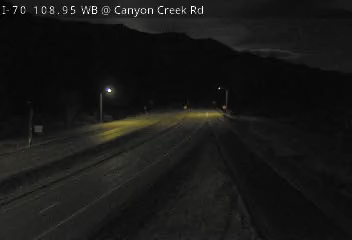
Camera images refresh automatically. Images may be delayed during high traffic periods.
Glenwood Canyon Travel Advisories & Alerts
Current Travel Advisories for Glenwood Canyon
- 11 Ft Widthrestriction I-70 MP 131-116
- Speed Advisory: 60 MPH
Traction Law Reminder: Colorado’s Passenger Vehicle Traction Law and Commercial Vehicle Chain Law are in effect statewide September 1 through May 31. Passenger vehicles require snow tires (3/16″ tread minimum), all-season tires meeting specs, or 4WD/AWD. Commercial vehicles must carry and install chains when activated.
Current Road Surface & Weather Conditions
Real-Time Weather Data for Glenwood Canyon
Weather Forecast & Travel Impact
Weather Forecast for Glenwood Canyon
National Weather Service forecasts slight chance of light rain showers for the next 5 hours (through 1:28 PM MST).
What to Expect for Glenwood Canyon:
Current Travel Conditions for Glenwood Canyon
Traffic Conditions for Glenwood Canyon
Why Does Glenwood Canyon Close?
Glenwood Canyon closures differ significantly from other mountain corridors. Following the 2020 Grizzly Creek Fire, summer closures due to mudslides have become the primary concern:
| Closure Reason | Threshold/Trigger | Typical Duration |
|---|---|---|
| Mudslides (Summer) | 0.25″ rain over 15 minutes in burn scar area | 1-12+ hours |
| Rockslides | Debris on roadway requiring removal | 1-6 hours |
| Flash Flood Watch | NWS issues warning for canyon area | Precautionary closure possible |
| Multi-Vehicle Accidents | Road blockage in narrow canyon sections | 1-4 hours |
| Winter Weather | Heavy snow, ice on elevated viaducts | 1-6 hours |
| Rockfall Mitigation | Planned maintenance on canyon walls | 15 min – 2 hours |
Post-Fire Impact: Since the 2020 Grizzly Creek Fire scorched 51 square miles around the canyon, CDOT has closed I-70 over 25 times due to mudslide events. The fire destroyed vegetation that once stabilized steep cliff faces, making the area vulnerable to debris flows during summer monsoon season (June-September).
Economic Impact: Each hour of Glenwood Canyon closure costs an estimated $1 million in economic impact to the region, making rapid assessment and reopening a CDOT priority.
Alternative Routes When Glenwood Canyon Is Closed
Primary Detour (Northern Route): The official CDOT detour follows CO-13 north from Rifle to Craig, then US-40 east through Steamboat Springs to Kremmling, and CO-9 south to I-70 at Silverthorne. This adds approximately 220 miles and 4 hours to travel time.
Southern Options: For destinations in the Roaring Fork Valley (Aspen, Carbondale), Independence Pass (CO-82) provides access from the east side when open (late May to late October). However, Independence Pass closes seasonally and has vehicle length restrictions.
Critical Planning Note: Unlike mountain pass closures that typically last 1-4 hours, Glenwood Canyon mudslide closures can extend 12+ hours when debris flow is significant. Always check COtrip.org before departing and consider departing early morning when flash flood risk is lowest.
Safely Driving Through Glenwood Canyon
Canyon-Specific Tips:
- Check Weather: Monitor the forecast before summer travel. Afternoon thunderstorms peak June-September.
- Travel Early: Flash flood risk is lowest in morning hours before afternoon storms develop.
- No Stopping: Do not stop on elevated viaducts or in narrow canyon sections.
- Watch for Debris: Be alert for rocks or mud on roadway, especially after rain.
Winter Driving Requirements
- Snow tires with mountain/snowflake symbol, OR
- All-season tires with 3/16″ tread depth, OR
- 4WD/AWD with adequate tread
- Tire chains (required for 2WD when chain law active)
Frequently Asked Questions
Why does Glenwood Canyon close during summer storms?
The 2020 Grizzly Creek Fire burned vegetation that stabilized steep slopes. Now, even light rain (0.25 inches over 15 minutes) can trigger mudslides that block the highway. CDOT closes the canyon preventatively when Flash Flood Watches are issued.
How long do Glenwood Canyon mudslide closures last?
Mudslide closures typically last 1-12 hours depending on debris volume. Minor events may clear in 1-2 hours, while significant flows with heavy debris can require 12+ hours for removal and road assessment.
What is the detour when Glenwood Canyon is closed?
The official CDOT detour routes traffic north via CO-13 to Craig, US-40 through Steamboat Springs, and CO-9 south to I-70 at Silverthorne. This adds approximately 220 miles and 4 hours to your trip.
When is the best time to drive through Glenwood Canyon in summer?
Early morning (before 10 AM) is safest during monsoon season (June-September). Afternoon thunderstorms typically develop between 2-6 PM, creating peak flash flood risk during those hours.
Is there cell phone coverage in Glenwood Canyon?
Cell coverage is limited in portions of the canyon due to steep walls. Verizon and AT&T have the best coverage. Do not rely solely on mobile devices for real-time closure updates inside the canyon.
Status Reports for Other Colorado Mountain Routes & Passes
Blue Sky Limo provides real-time road condition reports using live CDOT COtrip data, refreshed every five minutes. Select a route below for current conditions, traffic cameras, and travel advisories before your mountain drive.
Additional CDOT Road Resources:
Visit COtrip.org for real-time road conditions, live webcams, and closure alerts for all Colorado highways. Download the CDOT mobile app (iOS | Android) to view traffic cameras, track snowplow locations, and receive push alerts for closures. Follow @ColoradoDOT on X for immediate updates on chain law activations and major incidents. For recorded Colorado road condition updates, call:
- 511 (within Colorado)
- 303-639-1111 (Denver metro)
- 877-315-7623 (toll-free statewide)
Mountain weather directly impacts road conditions and closure timing across Colorado. Check the National Weather Service forecast for storm warnings and precipitation timing before traveling. During winter months, the Colorado Avalanche Information Center posts forecasts that often signal upcoming closures for avalanche control on mountain passes and corridors.
Data Source: Colorado Department of Transportation (CDOT) COtrip API | Refreshed every 5 minutes