Independence Pass Road Conditions | Live Traffic Cams
Is Independence Pass Open or Closed Right Now?
Independence Pass (CO-82) Status: OPEN
Independence Pass Quick Facts:
| Summit | 12,095 ft (Continental Divide) |
| Distinction | Independence Pass is the highest paved state highway in Colorado |
| Length | 32 miles (Twin Lakes to Aspen) |
| Seasonal Closure | Late October to late May |
| Vehicle Limit | 35 feet maximum length |
| Designation | Colorado Scenic Byway |
Independence Pass (CO-82) is the highest paved state highway in Colorado, crossing the Continental Divide at 12,095 feet. This spectacular 32-mile route connects Twin Lakes on the east to Aspen on the west, winding through the San Isabel and White River National Forests. Due to extreme winter conditions and avalanche hazards, the pass closes seasonally from late October through late May. When open, it provides a scenic alternative to I-70 for reaching the Roaring Fork Valley. This page provides real-time data from the Colorado Department of Transportation (CDOT) to support travel planning.
Independence Pass Map
Seasonal Closure Notice: Independence Pass typically closes in late October and reopens the Thursday before Memorial Day weekend, weather permitting. During the closure period (approximately 7 months), all traffic to/from Aspen must use I-70 through Glenwood Canyon. CDOT does not plow this road in winter due to extreme avalanche danger.
Independence Pass Area Cameras
West Approach (Aspen Side)

This camera shows conditions near Snowmass, approximately 19 miles west of the Independence Pass summit. It indicates general conditions on the Aspen/west approach to the pass.
East Approach (Twin Lakes Side)
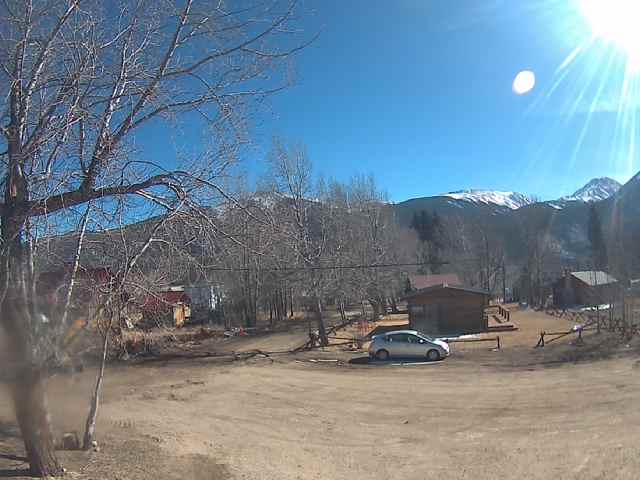
Community camera at Twin Lakes (elevation ~9,200 ft), approximately 18 miles east of the Independence Pass summit. This is the eastern starting point for crossing the pass.
Note: No CDOT cameras exist directly on Independence Pass summit due to its remote location and seasonal closure. These cameras show approach conditions only.
Independence Pass Travel Advisories & Alerts
Current Travel Advisories for Independence Pass (CO-82)
- No active travel advisories at this time.
Current Road Surface & Weather Conditions
Real-Time Weather Data for Independence Pass (CO-82)
Weather Forecast & Travel Impact
Weather Forecast for Independence Pass (CO-82)
National Weather Service forecasts overcast skies for the next 5 hours (through 2:05 AM MST).
What to Expect for Independence Pass (CO-82):
Current Travel Conditions for Independence Pass (CO-82)
Traffic Conditions for Independence Pass (CO-82)
Seasonal Closure Information
Independence Pass operates on a strict seasonal schedule due to extreme winter conditions at 12,095 feet elevation:
| Timeframe | Typical Dates | Notes |
|---|---|---|
| Opening Day | Thursday before Memorial Day | Weather permitting; may be delayed |
| Closure Date | Late October to early November | When conditions deteriorate |
| Closed Duration | ~7 months | No winter maintenance performed |
Recent Closure Dates: Nov. 4, 2015 | Nov. 17, 2016 | Nov. 17, 2017 | Nov. 5, 2018 | Oct. 28, 2019 | Nov. 13, 2020 | Oct. 25, 2021 | Nov. 4, 2022 | Oct. 30, 2023 | Oct. 31, 2024
Why No Winter Plowing: Plowing the steep switchbacks on either side of the pass is unsafe during extreme winter conditions. Multiple sections are exposed to significant avalanche hazards, and the remote location makes emergency response impractical during winter months.
Vehicle Restrictions & Road Characteristics
Independence Pass presents unique challenges that require specific vehicle restrictions:
| Restriction | Requirement | Reason |
|---|---|---|
| Vehicle Length | 35 feet maximum (vehicle + trailer combined) | Tight switchbacks, narrow lanes |
| Single-Lane Sections | Yield to oncoming traffic | Road width insufficient for passing |
| Steep Grades | Up to 7% grade | Heavy vehicles may overheat/stall |
| Drop-offs | No guardrails in sections | Sheer cliffs, exercise extreme caution |
Commercial & RV Advisory: Commercial vehicles and recreational vehicles/trailers with a combined length exceeding 35 feet are prohibited on Independence Pass. This restriction is strictly enforced due to tight curves, steep inclines, and narrow lanes that cannot accommodate large vehicles safely. Plan alternate routing via I-70.
Alternative Routes to Aspen
Year-Round Access (Primary Route): I-70 through Glenwood Canyon to Glenwood Springs, then CO-82 south to Aspen. This is the only year-round route and adds approximately 40 miles compared to Independence Pass when traveling from the Front Range.
When Independence Pass is Closed: During the seasonal closure (late October to late May), all traffic must use the Glenwood Canyon route. There is no alternative mountain pass to Aspen during winter.
Summer Considerations: When Independence Pass is open and Glenwood Canyon has mudslide closures, the pass can serve as an alternate route between the Front Range and Aspen—but only for vehicles under 35 feet.
Safely Driving Independence Pass
Mountain Driving Tips:
- Use Turnouts: Pull over for faster traffic at designated turnouts.
- Yield on Narrow Sections: Uphill traffic has right-of-way on single-lane portions.
- Watch Speed: Steep grades and tight curves require slow, controlled driving.
- Brake Management: Use lower gears on descents to prevent brake fade.
Altitude Considerations
- Summit elevation: 12,095 feet—prepare for altitude effects
- Vehicles may lose power at extreme altitude
- Weather changes rapidly at high elevation
- Cell phone coverage is limited to non-existent
Frequently Asked Questions
When does Independence Pass open for the season?
Independence Pass typically opens the Thursday before Memorial Day weekend, weather permitting. CDOT announces the exact opening date once crews complete spring road preparation and snow clearing operations.
Can I take my RV over Independence Pass?
Vehicles and vehicle/trailer combinations exceeding 35 feet in total length are prohibited on Independence Pass. This includes most Class A motorhomes and vehicles towing large trailers. Use I-70 through Glenwood Canyon instead.
Why is Independence Pass closed all winter?
The pass closes due to extreme avalanche hazards, heavy snowfall, and the impossibility of safely plowing steep switchbacks at 12,000+ feet elevation. The remote location also makes winter emergency response impractical.
Is Independence Pass paved?
Yes, Independence Pass is fully paved. However, sections are narrow, curvy, and feature steep drop-offs without guardrails. It requires careful, attentive driving regardless of road surface.
How long does it take to drive over Independence Pass?
The 32-mile crossing typically takes 60-90 minutes depending on traffic and conditions. Factor in additional time for scenic stops—the Continental Divide views are spectacular.
Status Reports for Other Colorado Mountain Routes & Passes
Blue Sky Limo provides real-time road condition reports using live CDOT COtrip data, refreshed every five minutes. Select a route below for current conditions, traffic cameras, and travel advisories before your mountain drive.
Additional CDOT Road Resources:
Visit COtrip.org for real-time road conditions, live webcams, and closure alerts for all Colorado highways. Download the CDOT mobile app (iOS | Android) to view traffic cameras, track snowplow locations, and receive push alerts for closures. Follow @ColoradoDOT on X for immediate updates on chain law activations and major incidents. For recorded Colorado road condition updates, call:
- 511 (within Colorado)
- 303-639-1111 (Denver metro)
- 877-315-7623 (toll-free statewide)
Mountain weather directly impacts road conditions and closure timing across Colorado. Check the National Weather Service forecast for storm warnings and precipitation timing before traveling. During winter months, the Colorado Avalanche Information Center posts forecasts that often signal upcoming closures for avalanche control on mountain passes and corridors.
Data Source: Colorado Department of Transportation (CDOT) COtrip API | Refreshed every 5 minutes